
Knowledge base
The reference library for professional food finishing.
Clear, practical guides on food spraying, chocolate tempering and food safety, written for the working kitchen.
Spraying
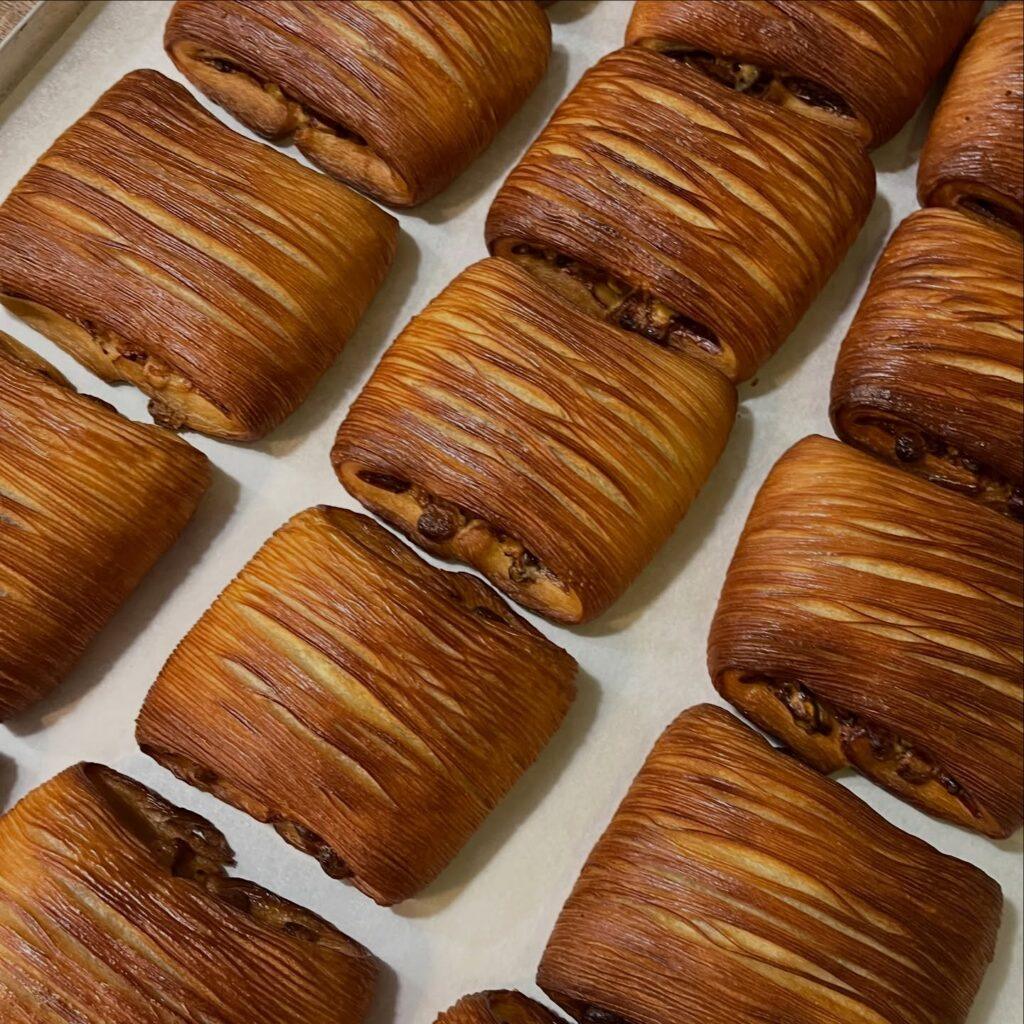
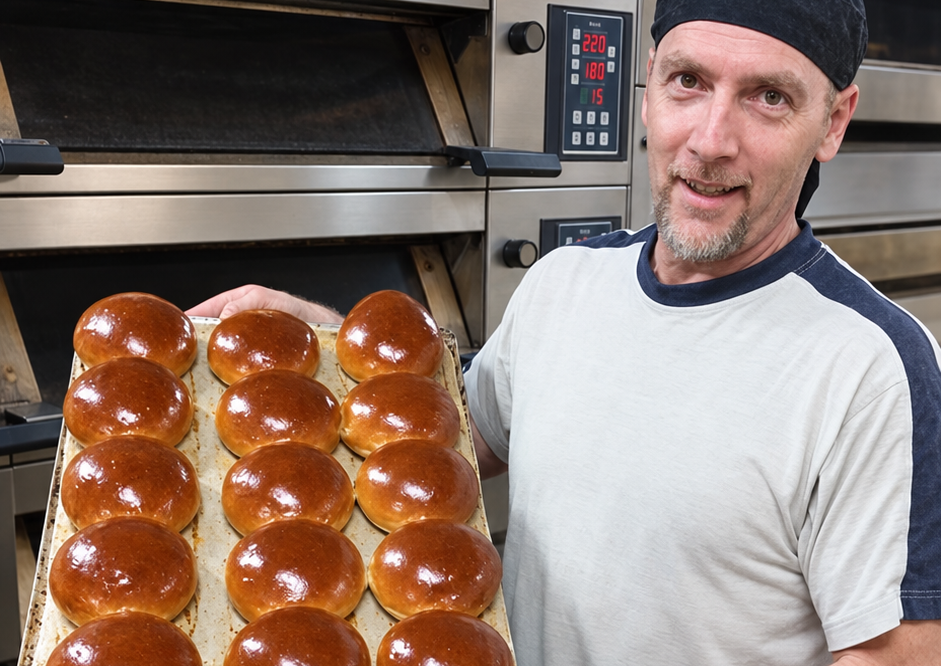
What egg wash actually does to your buns
Colour, gloss and grip for toppings, and why even application is what makes it work.
Chocolate
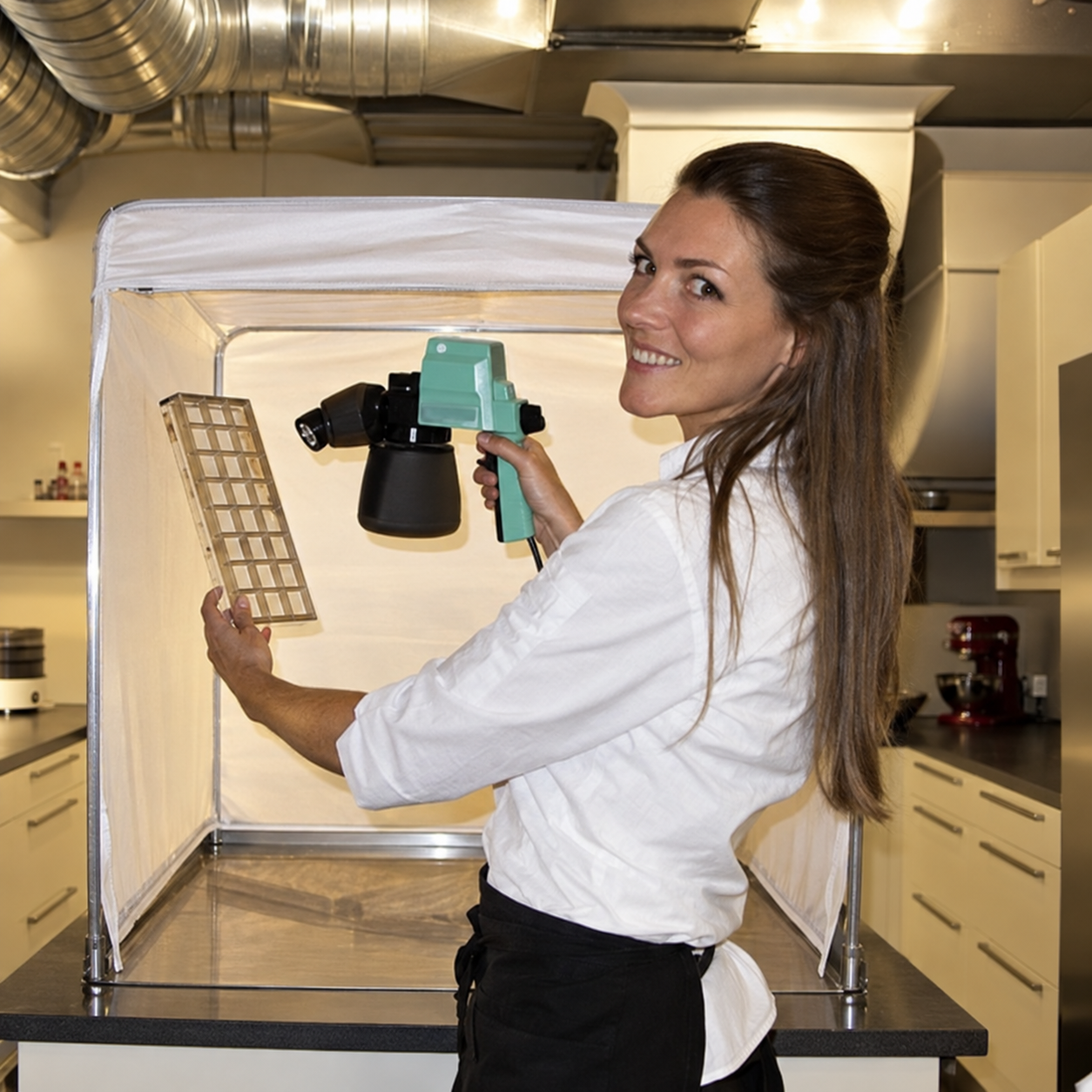
Tempering, what it really is and where it goes wrong
The crystal forms behind gloss and snap, and five mistakes that cause bloom.
Comparisons
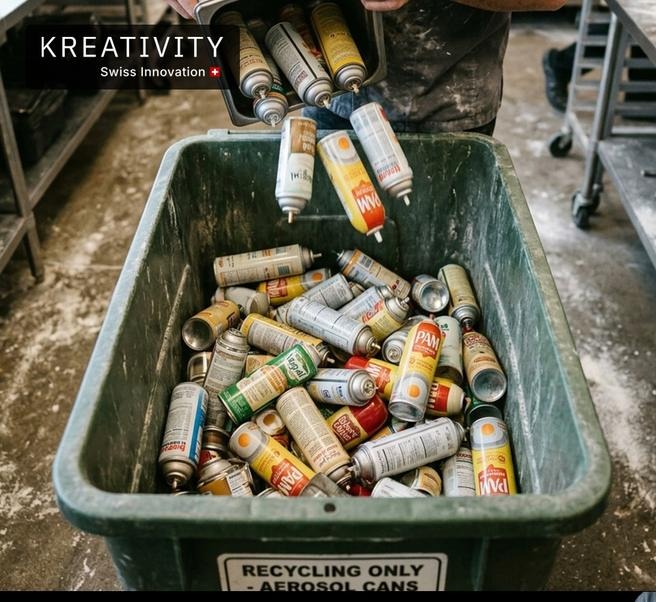
Brush, can, or sprayer
Speed, finish, cost per use and food safety, compared side by side.

Buying guides
Savings calculator
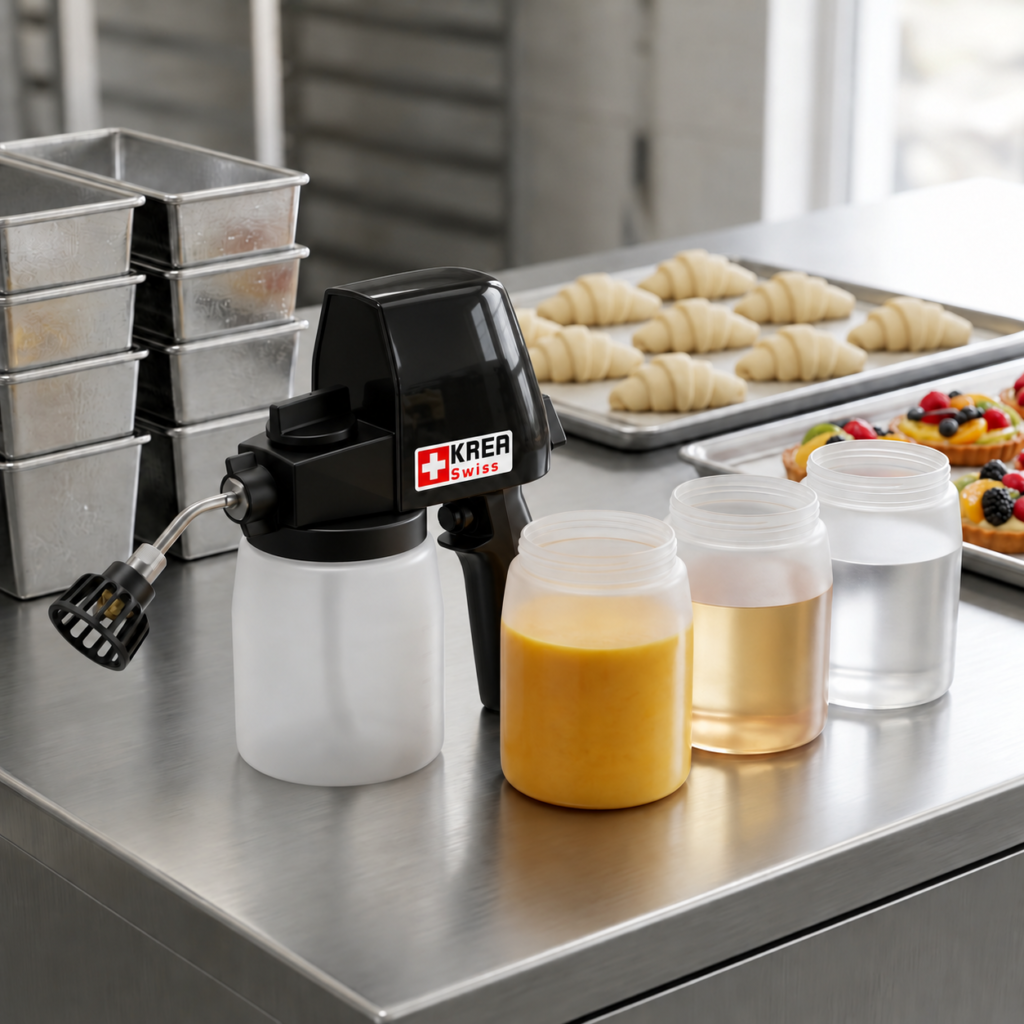
What coating by hand is costing you, and the payback on a sprayer.

Food safety
Is a paint sprayer food safe
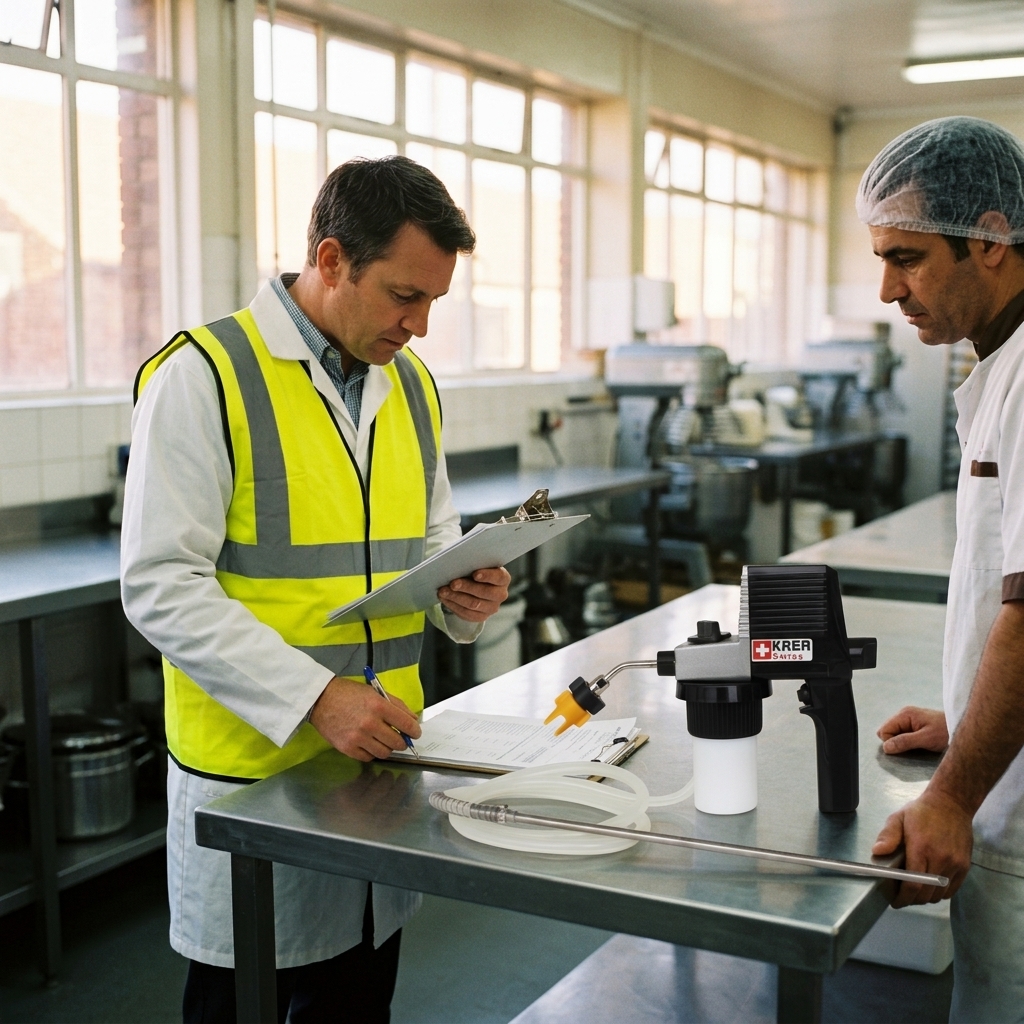
The checklist that separates the two.
Food safety
What food grade really means
Food grade, compliant and independently certified are three different claims. What to ask a supplier for.
Spraying
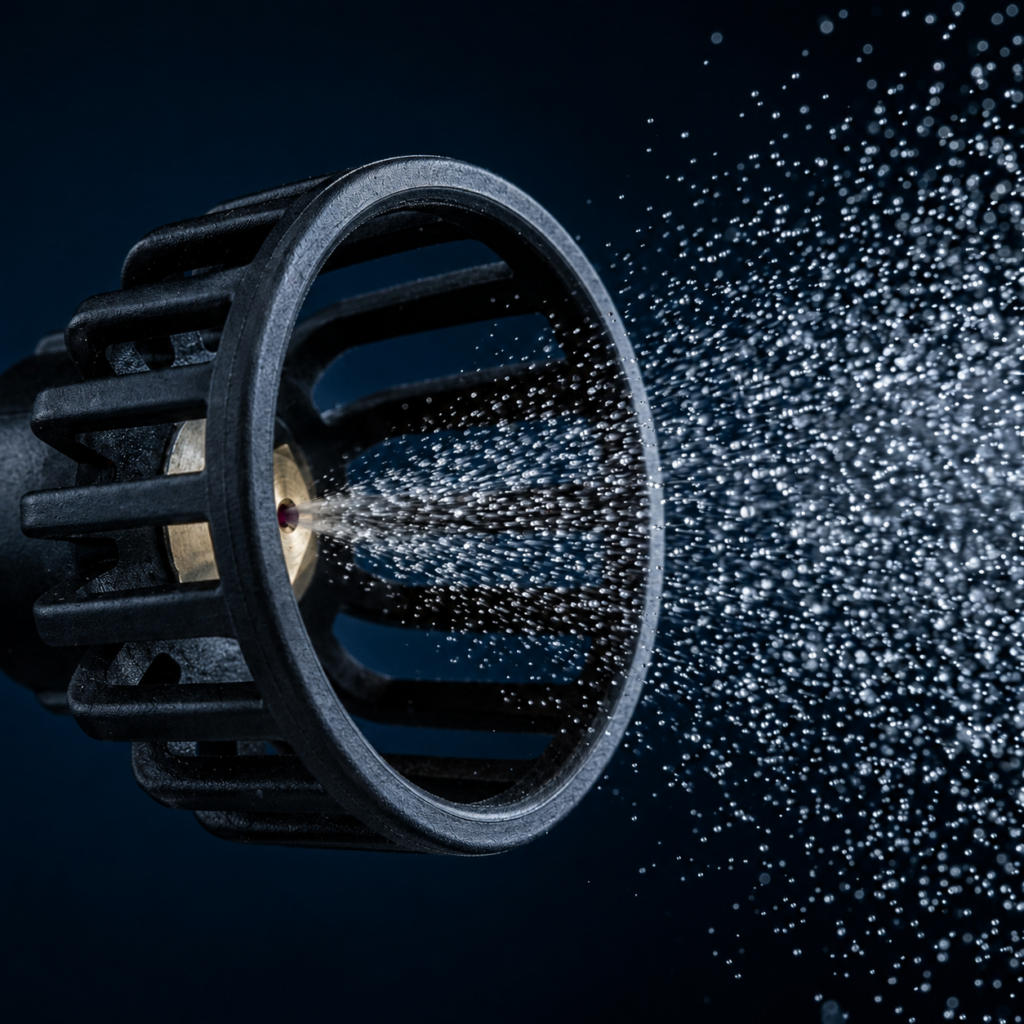
How atomisation works
Pressure moves a liquid. Atomising it into a fine mist takes far more, plus a nozzle designed for the job.
Spraying
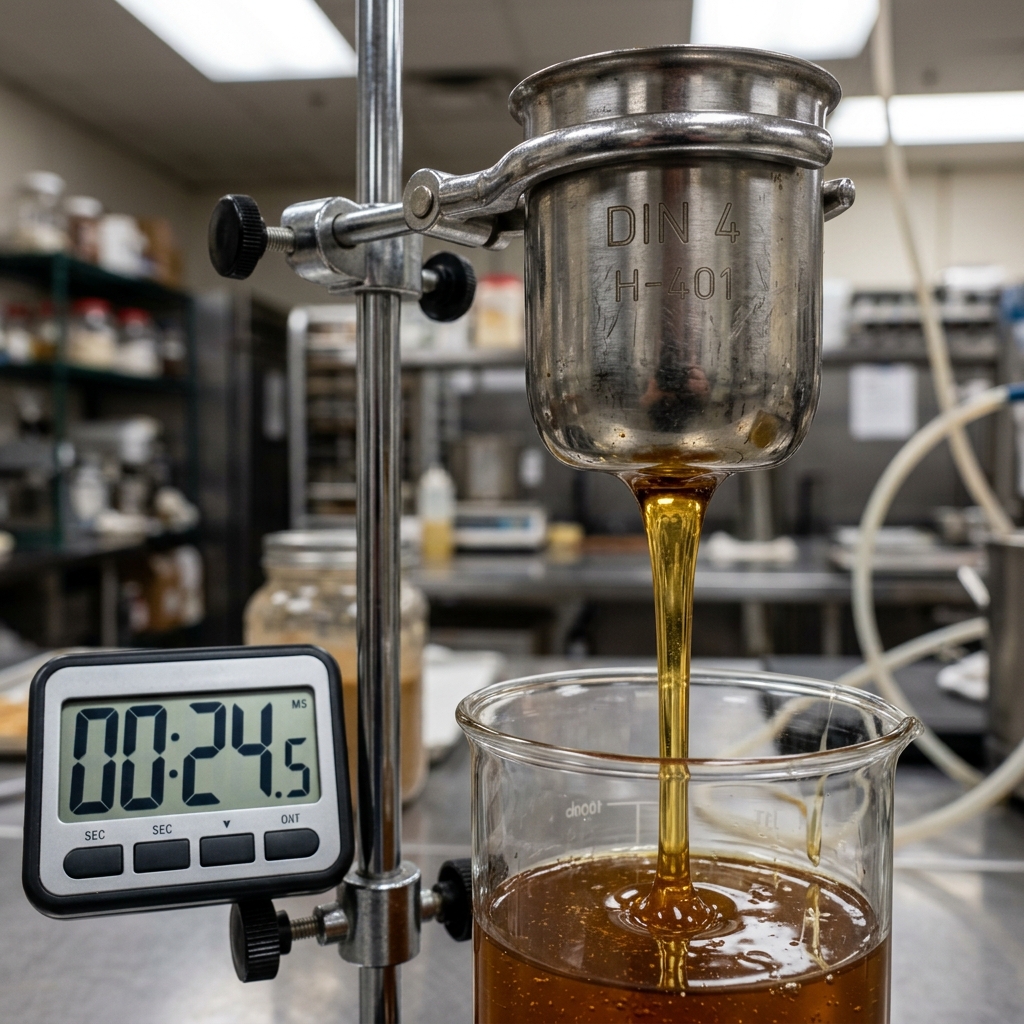
Food viscosity and DIN seconds explained
Sprayers are rated in DIN seconds, food materials in centipoise. The conversion, with working figures.
Chocolate
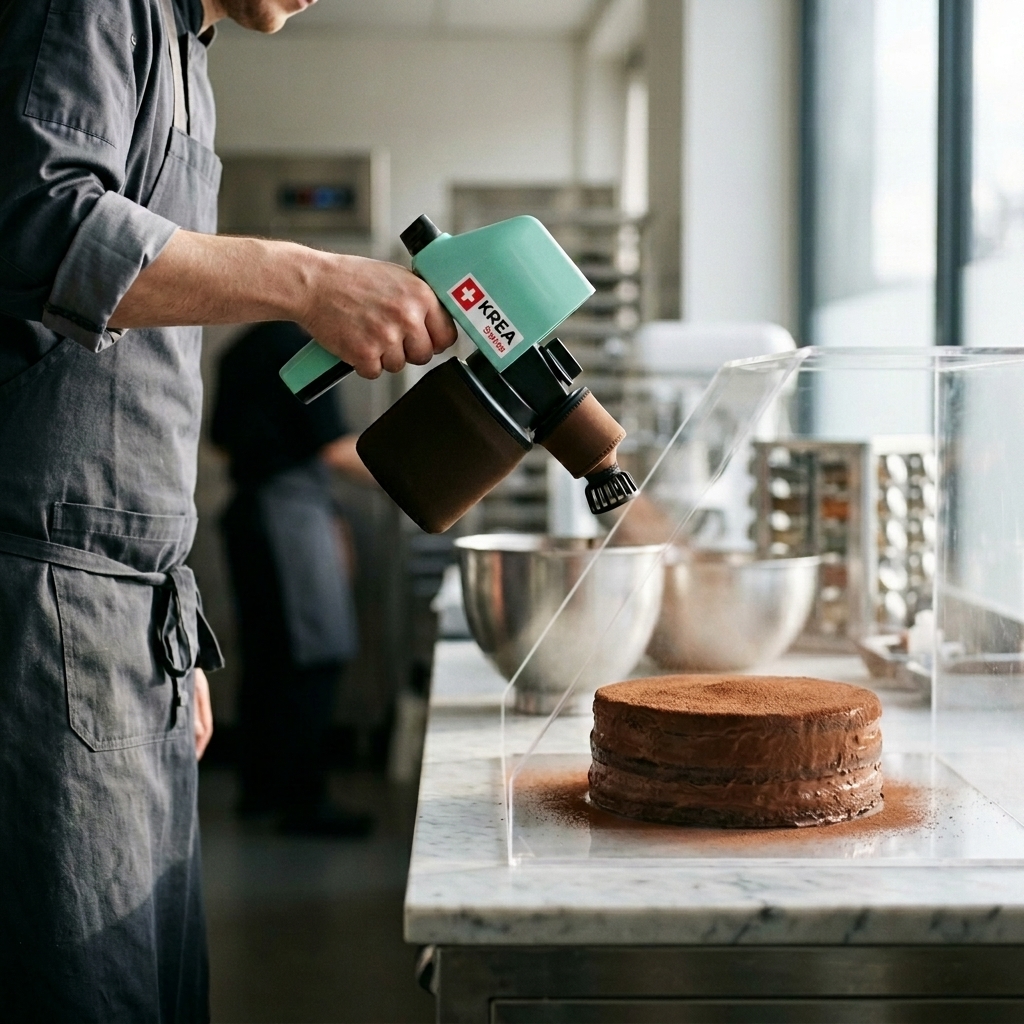
Spraying chocolate, and why the viscosity figures mislead
Published chocolate viscosity looks far beyond what a sprayer should manage, yet it sprays cleanly. The reason is shear.
Comparisons
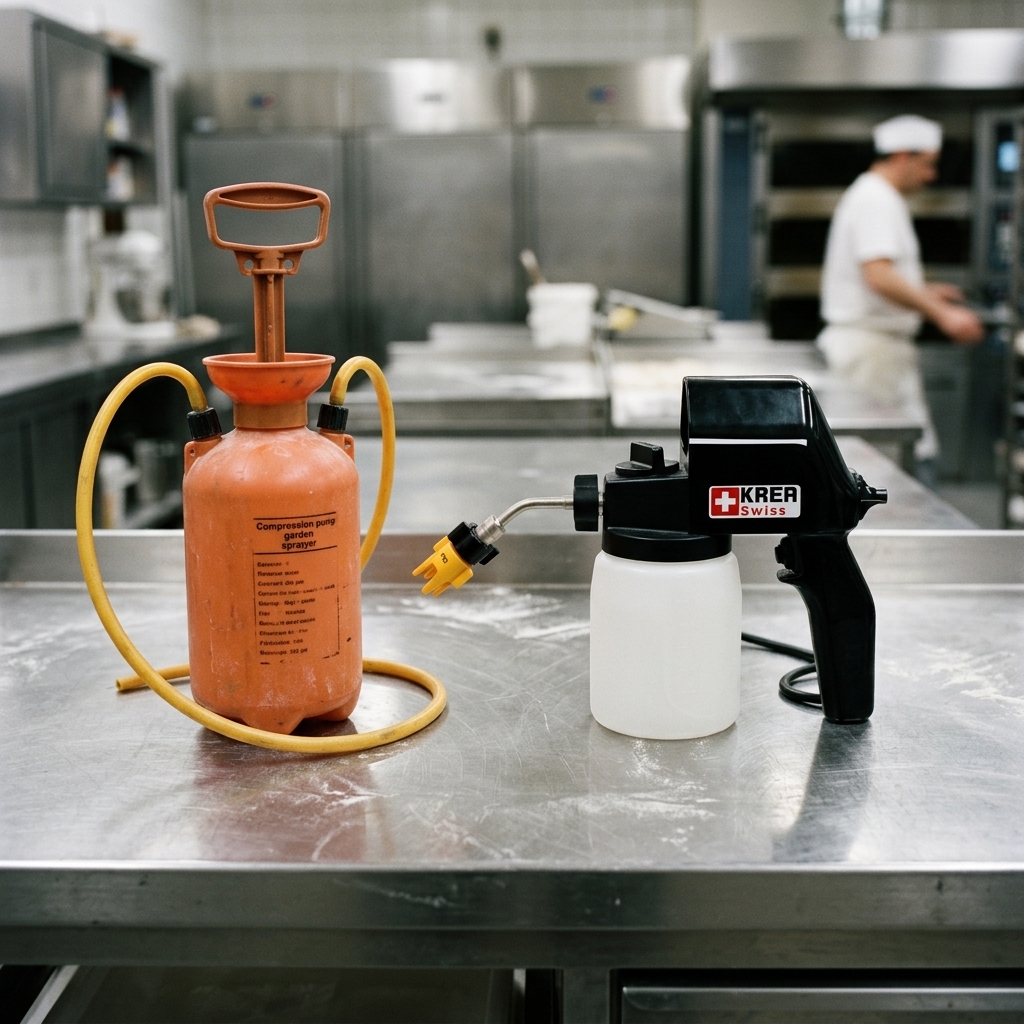
The cheap food grade compression pump, investigated
Cheap garden compression sprayers sold as food grade run at pressures too low to atomise well. A full comparison.